Bread baking can feel like both an art and a science. You've followed the recipe to a T, yet, your dough sits stubbornly in the bowl, refusing to rise. It's a frustrating scenario, especially when you're eager to enjoy the warm, comforting smell of freshly baked bread wafting through your kitchen. If you're in Nigeria, where the humidity and temperature can vary greatly, ensuring your bread rises properly might be even more perplexing.
This troubleshooting guide dives into the less obvious reasons your bread is not rising and provides you with practical solutions. Whether you're using a trusty old gas oven or a state-of-the-art bread machine, understanding these factors will help you pinpoint the problem and get your bread back on track.
Is Your Yeast Alive and Kicking?
Check the Expiration Date
Yeast is a living organism, and like all living things, it has a lifespan. If your yeast is expired, it's likely dead, and dead yeast won't make your bread rise. Always check the expiration date before using it.
Proof Your Yeast
Even if your yeast is within date, proofing it is a good practice. Dissolve a teaspoon of sugar in warm (not hot) water and add the yeast. If it bubbles after about 10 minutes, it's alive and well. If not, it's time to get a new batch.
The Dough's Environment: Temperature and Humidity
Too Cold or Too Hot?
Yeast thrives at temperatures between 27°C and 32°C. In Nigeria, ambient temperatures can exceed this, slowing down the rise. Alternatively, during cooler months, it might be too cold. Ensure your dough is placed in a warm, draft-free area.
Humidity Levels
Humidity can affect your dough more than you might think. In high humidity, your dough may absorb more moisture, making it sticky and difficult to rise. Consider adjusting your flour to water ratio slightly.
Kneading: Developing the Gluten
Under Kneading
If your dough isn't rising, it might not be kneaded enough. Proper kneading develops the gluten network, which traps carbon dioxide gas produced by the yeast. Knead your dough until it's smooth and elastic.
Over Kneading
On the flip side, over kneading can also cause problems. It can make the dough too tough, preventing it from rising properly. If you're using a mixer, keep an eye on the dough's texture.
Correcting Dough Texture: Too Wet or Too Dry?
Sticky Situations
A dough that's too wet won't hold its shape and can collapse. Gradually add more flour until the dough is tacky but not sticky.
Too Dry to Rise
If your dough is too dry, it won't rise well either. Add a bit more water, a teaspoon at a time, until the dough comes together smoothly.
Loaf Shaping and Second Rise
Shaping Your Loaf
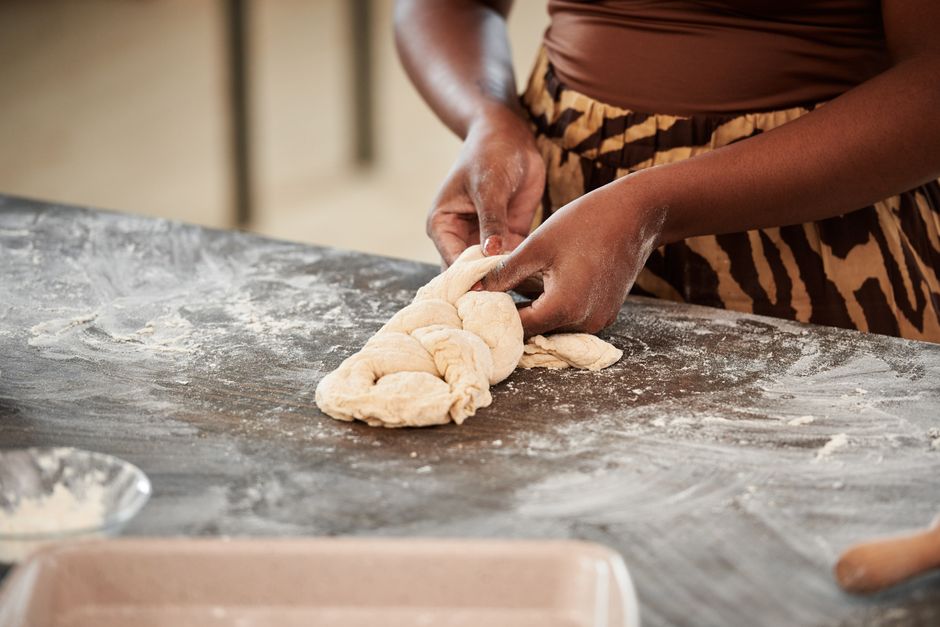
How you shape your loaf can affect the rise. A tight shape can restrict growth. Gently shape your loaf to allow room for expansion.
The Importance of the Second Rise
The second rise, or proofing, is crucial. It helps develop flavor and texture. If you're impatient and skip this step, your bread may end up dense.
"Bread baking isn't just about following a recipe, it's about understanding your ingredients and environment." - Kitchen Expert Advice
Final Thoughts
Bread baking can be a rewarding experience, especially when you troubleshoot effectively. By considering factors like yeast viability, environmental conditions, kneading techniques, and dough texture, you can overcome rising issues. Remember, it's as much about the process as it is about the outcome. Use these insights to troubleshoot and improve your bread baking journey.